

What to ask a prospective interior designer
Article written by owner and lead designer, Sarah Walker, posted in the November 2024 Seattle Times.
Building a new home or undertaking a large-scale renovation is exciting but can become overwhelming with so many design choices. You realize hiring an interior designer is the best way to navigate the many finishes, fixtures and furnishings spinning in your head. However, with more than 5,000 designers in Washington state, finding the right one can be daunting.
Scrolling through Instagram feeds and portfolios may seem simple, but managing timelines, budgets and project complexities requires careful vetting. It’s crucial to find a designer who aligns with your style and can manage your project efficiently while connecting with you personally. After all, you may be working together for months, or even years.
As an interior designer in the Seattle area, I recommend asking a few key questions to identify the right partner and distinguish between a good designer and an exceptional one. These questions will help ensure a smooth collaboration and bring your dream home to life.
1. What is your design background, and how long have you been an interior designer?
While some talented designers start without formal training, complex projects, like remodels involving plumbing or electrical work or designing a new home, demand knowledge best gained through academic training and real-world practice. The most successful projects I’ve seen are by designers with a formal degree and several years of real-life experience. Their education instills an understanding of building codes, drawing standards, space planning and the intricacies of textiles, providing a foundation for creating safe and effective spaces.
Equally important is their on-site experience. Designers who have spent years in the field understand how materials and design elements interact, navigate construction realities and manage the unexpected challenges that inevitably arise. This experience allows them to deliver projects efficiently with a deep understanding of both creative vision and functionality.
When hiring, it’s important to ask about their specialty to confirm they’re the right fit for your project. Some designers focus on specific services such as selecting furniture, helping DIY clients repurpose existing items or managing small remodels. A select group specializes in large-scale renovations and new construction, requiring a broader skill set. Additionally, some designers focus on specific styles — like modern, traditional or eclectic — so it’s crucial to know if their aesthetic aligns with your vision.
The best answer should demonstrate that the designer has experience with projects similar in size and scope to yours. Exceptional ones emphasize their client-centered approach; they don’t just apply a signature style to every project but instead take the time to understand your lifestyle, goals and preferences. They express a commitment to tailoring their designs to reflect your individual needs, ensuring the outcome is functional and personalized.
3. What is your typical design process?
Excellent interior designers possess a rare creative vision that transforms spaces into inspiring environments, often pushing boundaries and exploring new ideas. However, turning that vision into reality requires a structured process that respects constraints like budgets and timelines. A designer with a written, detailed process demonstrates professionalism and the ability to collaborate effectively with other team members. This shows they are not just hobbyists, but legitimate specialists experienced in managing projects from start to finish.
The most effective design processes are broken into specific phases, each with clear deliverables and client involvement, ensuring every design decision is approved before construction begins. This approach provides clarity, minimizes surprises and helps keep the project on track, making the entire experience smoother and more enjoyable.
4. What is your fee structure?
Designers use different fee structures, so clarity and consistency are key. Common pricing models include hourly rates, flat fees per project, flat fees based on square footage, product markups or a combination. Experts provide a detailed contract outlining the fee structure, scope, deliverables and terms. This transparency protects both parties, establishing a clear understanding of expectations and minimizing potential misunderstandings throughout the project.
5. How do you collaborate with clients and other team members, such as architects and contractors?
A collaborative approach, where an interior designer, architect and general contractor work together with the client, is ideal. Each professional brings unique expertise, and an exceptional designer understands their role within this team, embracing input and changes from others. They are adaptable, able to address unforeseen challenges, and possess strong problem-solving skills to find creative solutions that keep the project on track while maintaining the design concept.
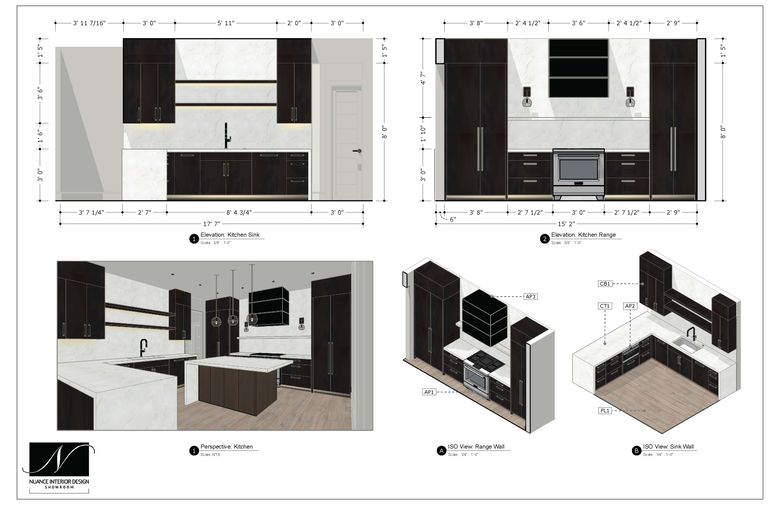
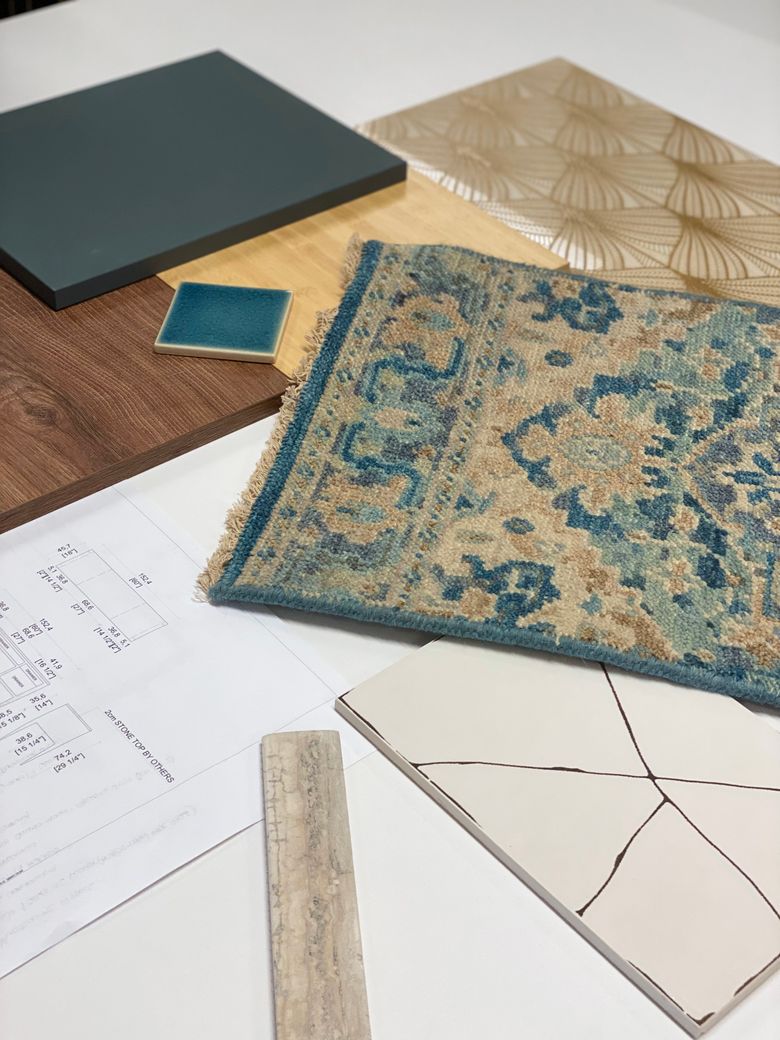
To communicate their vision effectively, exceptional designers provide detailed drawings, documentation and itemized schedules (spreadsheets outlining materials and products) to homeowners, architects and contractors. Renderings are also important for understanding the scale and flow of elements. Additionally, they present physical samples of finishes and fixtures, verifying all elements align with the clients’ preferences and needs.
6. How would you describe your design style?
The goal is to connect with a designer who can bring your unique style to life, tailored to your specific needs and preferences. For instance, our local design studio specializes in livable luxury using sustainable materials, embracing a range of design styles to suit each client’s aspiration. Some designers focus on a signature style, like traditional, eclectic or contemporary, but a capable designer is adaptable, acting as a chameleon to create a home that truly reflects you. They present creative, out-of-the-box ideas tailored to your space.
Not adhering to a single style allows designers to fully immerse themselves in the client’s perspective, envisioning their dream space in a holistic and personalized way. By using images for inspiration and understanding your preferences, we fill in the countless details that make each room feel complete. It’s about striking the right balance between your dreams and the designer’s expertise, promising the result is a space that feels authentically yours while benefiting from professional insight and design knowledge.


