

Personalizing Space: 2025 Interior Design Trends You’ll Love
Owner of Nuance Interior Design, Sarah Walker, recently had an article in the January 2025 Seattle Times on the latest trend of personalizing your space.
One of the most compelling interior design trends dominating the industry this year will be personalization. This year, the concept of “home” has evolved beyond a functional living space into a canvas for individuality, identity and personal expression. People are no longer content with cookie-cutter designs or one-size-fits-all solutions. Instead, they seek to create homes tailored to their unique needs, aesthetics and lifestyles.
In 2025, we’re anticipating carry-overs from the previous year highlighting the beauty of artisan-made materials such as Zellige tiles, textured glass and unlacquered hardware and tapware that develop a patina over time. Statement pieces, including bold wallcoverings like murals and striking oversized light fixtures, are gaining momentum. Biophilic design, which incorporates natural elements indoors, continues to shape trends with its nature-inspired features. Additionally, wood tones are trending darker than last year, offering a stunning way to introduce contrast and depth into spaces. Here’s how personalization is reshaping interior design in 2025.
Bold color
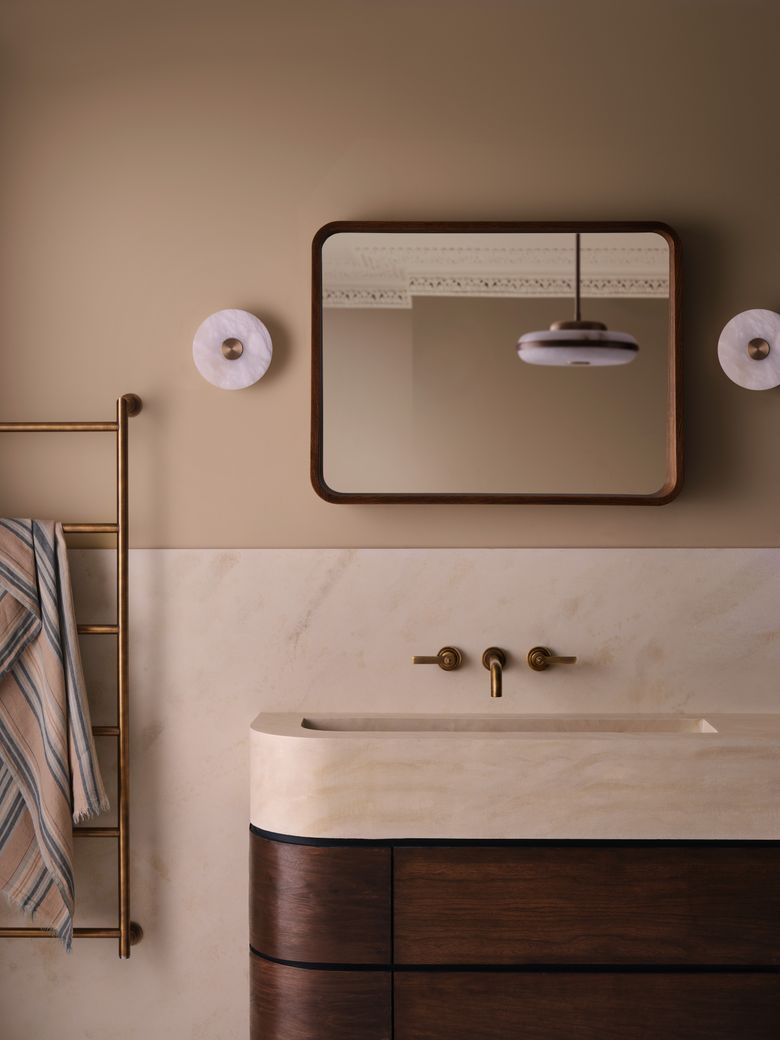
While neutral tones align with the quiet luxury trend, many are searching for something more evocative than beige. Dramatic color palettes have inspired us to embrace the moody vibe. Deep jewel tones such as midnight blue and forest green are projected standouts. Warm colors such as mocha brown, Pantone’s color of the year, and vibrant hues like cherry and wine red will also be popular. These tones bring richness and warmth to rooms that we haven’t seen in home design since the 1990s.
Our design clients are leaning into color choices that make rooms feel inviting and grounded. Earthy tones continue to dominate trend boards because they blur the division between the indoors and outdoors. Our favorite sophisticated deep colors include terra-cotta, ochre and olive green. Over the past few years, they were used as accents and in lighter hues, but now we see more color drenching with rich, dark tones. Don’t shy away from bold colors; pair them with warm neutrals for a balanced palette.
At its core, maximalism is about personal expression. It is a visual feast of high-impact elements, though it can be challenging to curate a luxurious, eclectic combination without creating a cluttered or mismatched feel. Although not as common in the typically understated Pacific Northwest, this is an emerging trend that celebrates opulence, excess and character.
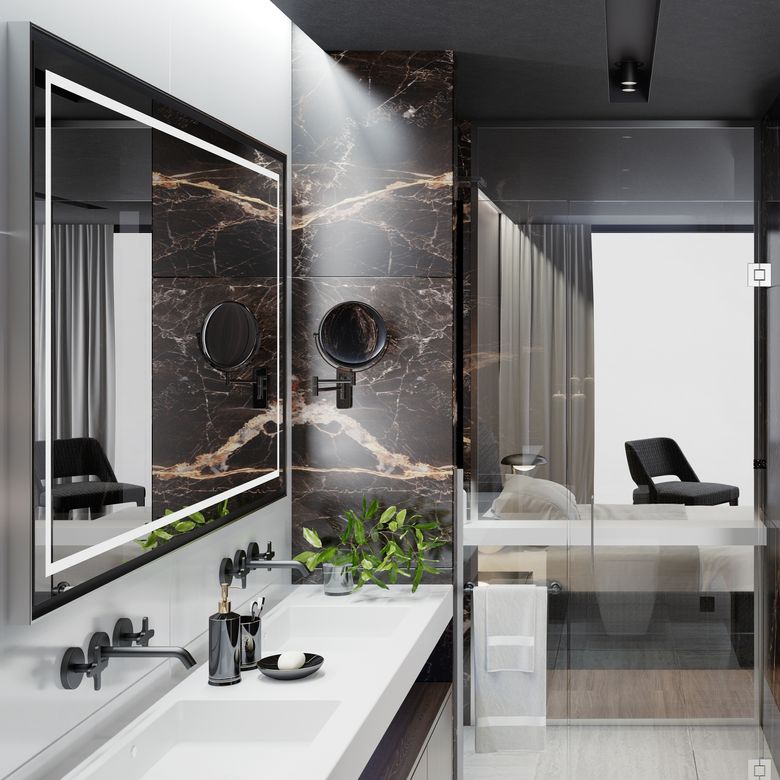
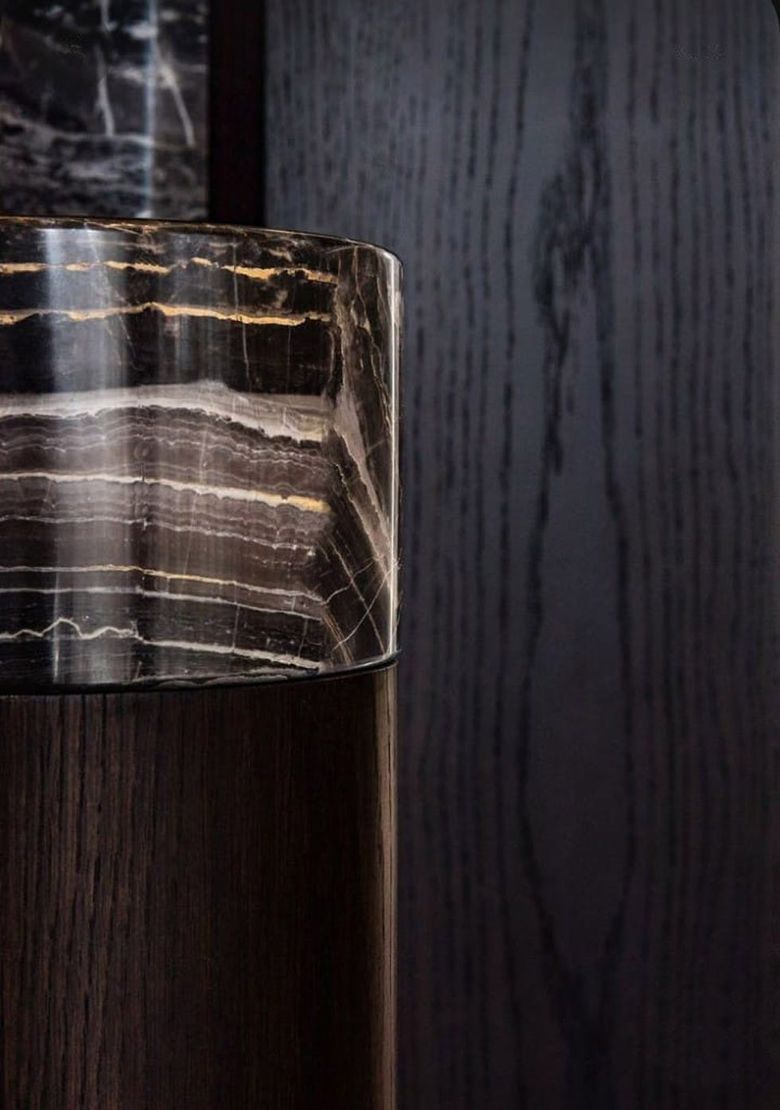
Pairing modern stripes with traditional damask or juxtaposing florals with geometric designs are just a few examples. Similarly, blending antique furnishings with contemporary décor, and vice versa, creates distinctive and compelling narratives. One of our favorite maximalist materials is an exotic natural stone, celebrated for its unique colors and dramatic veining. Layering is integral to this style, with area rugs, pillows, artwork and décor coming together to create a rich tapestry of visual interest and conversation starters.
Warm minimalism
The minimalistic style has been trending for a few years now, with key moments from Japandi and Scandinavian design. This year’s evolution is about incorporating a warmer touch through cozier colors like tans and earthy browns, as well as layering organic textures. We’ll continue to see a rise in subtle wall textures from limewashing, plaster, micro-cement and grasscloths. Wood treatments such as veneer or dimensional panels, woven wood wallcoverings and wainscoting are becoming increasingly mainstream. The texture from natural materials like wood, stone, ceramics and textiles are great ways to counterbalance the simplicity of minimalism.
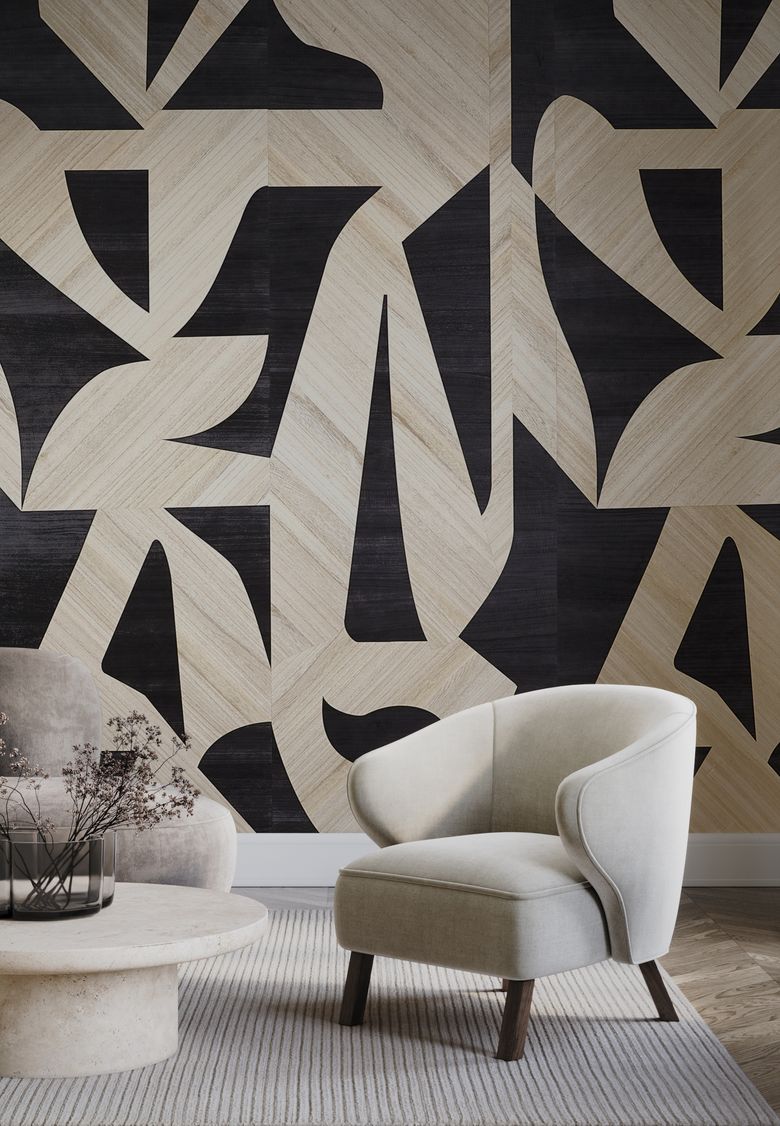
While typified by a “less is more” approach, the underlying message of warm minimalism is about curating high-quality art and furniture that can be appreciated without the distraction of clutter. In this style, modern furniture featuring clean lines with soft, rounded edges is preferred. The goal is to create open, airy spaces that prioritize flow, natural light and comfort. Warm minimalism creates an atmosphere of calm, balance and understated elegance. It’s about simplifying spaces without sacrificing comfort, resulting in interiors that are as inviting as they are stylish.
Tech and wellness
Although it may seem like an unusual pairing, technology and wellness are increasingly intertwined in modern interior design. Advancements in technology should be used to elevate our quality of life at home. Gensler, a global architecture and design firm, recently released their research on 2025 design trends, emphasizing the role of technology in health, stating “Immersive spas and responsive Zen rooms will use tech-based activations such as sound baths and digital biophilic content to counteract burnout, isolation and anxiety for clients.”
In other words, we can create home spas and meditation rooms equipped with sound systems that replicate ocean waves, rain, storms and more.
Updates in home saunas, steam showers and chromotherapy lights mean you can have a spa-quality experience anytime. Our clients are also prioritizing home gyms and meditation rooms more than ever. By seamlessly integrating tech into these areas, music, temperature and lighting controls can be voice-activated. Another feature we love for improving productivity and sleep is circadian lighting, where light intensity and color temperature change throughout the day to replicate natural sunlight. Lifestyle-driven interiors blend functionality with self-care, ensuring optimal conditions tailored to health and comfort.
The future of personalization
In 2025, personalization in interior design isn’t just a trend — it’s a movement that empowers individuals to create spaces that truly reflect who they are. Personalization allows homeowners to align their living environments with their values, whether that means embracing eco-conscious materials, celebrating cultural heritage or integrating innovative technologies to support health and wellness.
This movement also signifies a shift toward emotional connection in design, where spaces evoke feelings of calm and belonging. As we continue to embrace this era of bespoke living, one thing is clear: no two homes will ever look the same again. Instead, each space will become a distinct narrative of its owner’s life, offering a truly unique and meaningful expression of identity.


